Depression is a complex mental health condition that affects mood, thoughts, energy levels, and daily functioning. It is not caused by a single factor. Instead, it develops due to a combination of biological, psychological, and environmental influences. One of the most important contributors is the imbalance of brain chemicals that regulate emotions and behavior.
Understanding why depression happens can help reduce stigma and encourage better mental health awareness and treatment.
1. Chemical Imbalance in the Brain
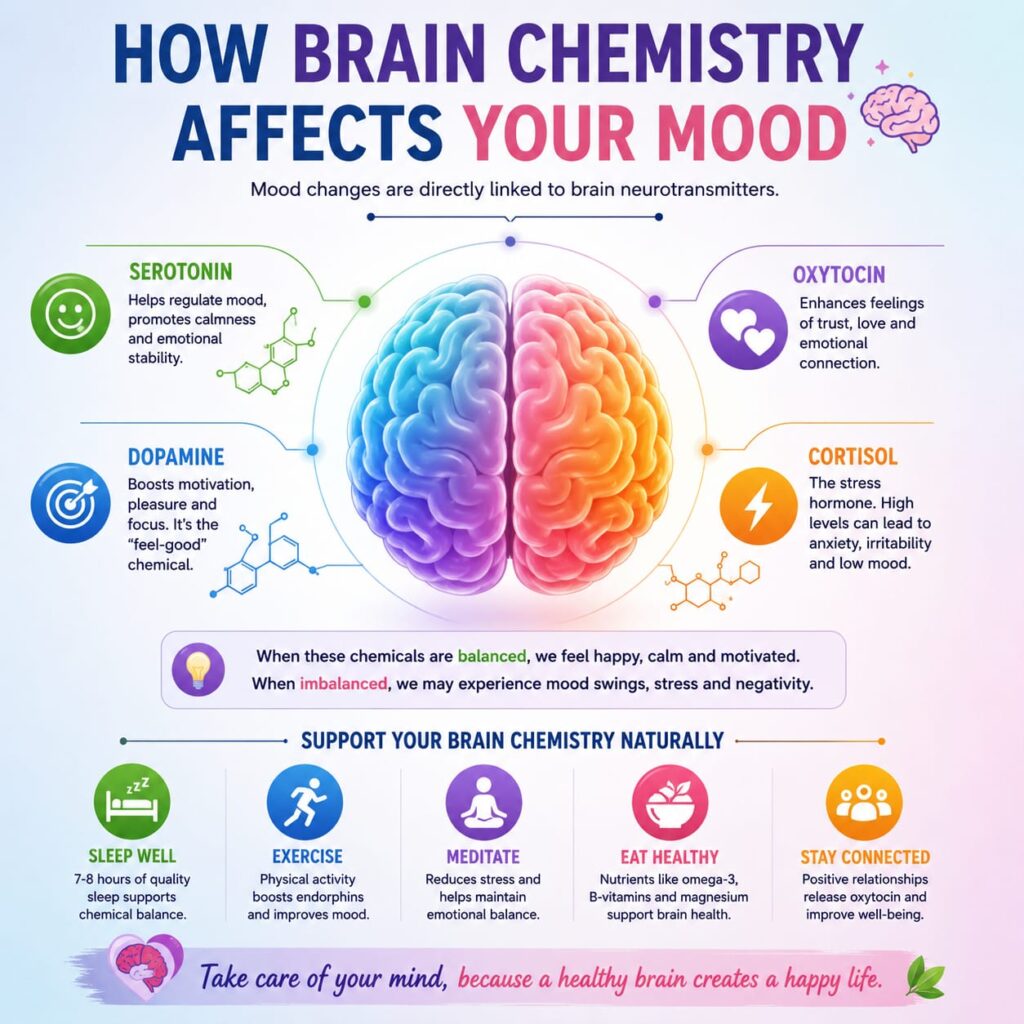
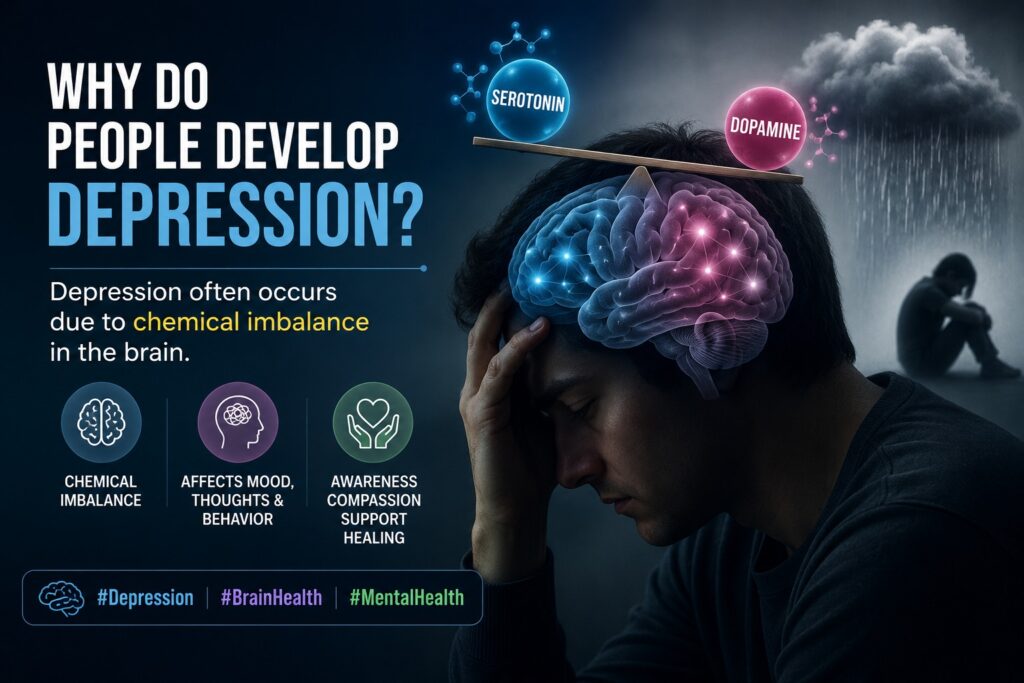
One of the key reasons behind depression is the imbalance of neurotransmitters in the brain. Chemicals like serotonin, dopamine, and norepinephrine play a major role in regulating mood and emotional stability.
When serotonin levels are low, a person may experience sadness, hopelessness, and anxiety. Low dopamine can reduce motivation, pleasure, and interest in daily activities. These chemical changes can significantly affect how a person thinks and feels.
Although chemical imbalance is not the only cause, it is a major biological factor linked with depression.
2. Chronic Stress and Emotional Pressure
Long-term stress is another major contributor to depression. When a person is constantly under pressure from work, studies, relationships, or financial problems, the brain remains in a stressed state for too long.
This leads to increased production of cortisol, the stress hormone. High cortisol levels over time can negatively affect mood, sleep, and emotional balance. It can also reduce serotonin levels, increasing the risk of depression.
People who experience ongoing emotional stress are more likely to develop feelings of exhaustion, sadness, and mental fatigue.
3. Genetic and Family History Factors
Depression can also run in families. If a person has a family history of depression or other mental health conditions, they may be more genetically vulnerable.
However, genetics alone do not determine depression. They only increase the risk. Environmental factors and lifestyle choices also play a major role in whether depression develops or not.
Understanding family history helps in early identification and prevention.
4. Trauma and Emotional Experiences
Past traumatic experiences can have a long-lasting impact on mental health. Events such as abuse, loss of a loved one, accidents, or childhood neglect can deeply affect emotional well-being.
These experiences can change how the brain processes emotions and stress. In many cases, unresolved trauma can lead to long-term sadness, anxiety, and eventually depression.
Emotional healing and therapy can play an important role in recovery.
5. Lifestyle Habits and Physical Health
Daily lifestyle habits have a strong influence on mental health. Poor sleep, unhealthy diet, lack of exercise, and excessive screen time can disturb brain chemistry.
When the body does not get proper rest or nutrition, neurotransmitter production is affected. This can lead to low energy, irritability, and emotional imbalance.
On the other hand, healthy habits such as regular exercise, balanced diet, and proper sleep help support brain function and reduce the risk of depression.
6. Social Isolation and Lack of Support
Humans are social beings, and emotional connection is important for mental well-being. Lack of social support, loneliness, and isolation can significantly increase the risk of depression.
When people feel disconnected or unsupported, their stress levels increase, and emotional resilience decreases. Over time, this can lead to feelings of emptiness and sadness.
Strong relationships, communication, and emotional support systems are essential for mental health stability.
7. Negative Thinking Patterns
Depression is also linked to repeated negative thinking patterns. People who constantly focus on failures, mistakes, or negative outcomes may develop a distorted way of thinking.
This mental pattern can reduce self-esteem and increase feelings of hopelessness. Over time, the brain becomes trained to expect negative outcomes, which deepens depressive symptoms.
Therapies like cognitive behavioral therapy (CBT) help break these patterns and rebuild positive thinking.